Table of Contents
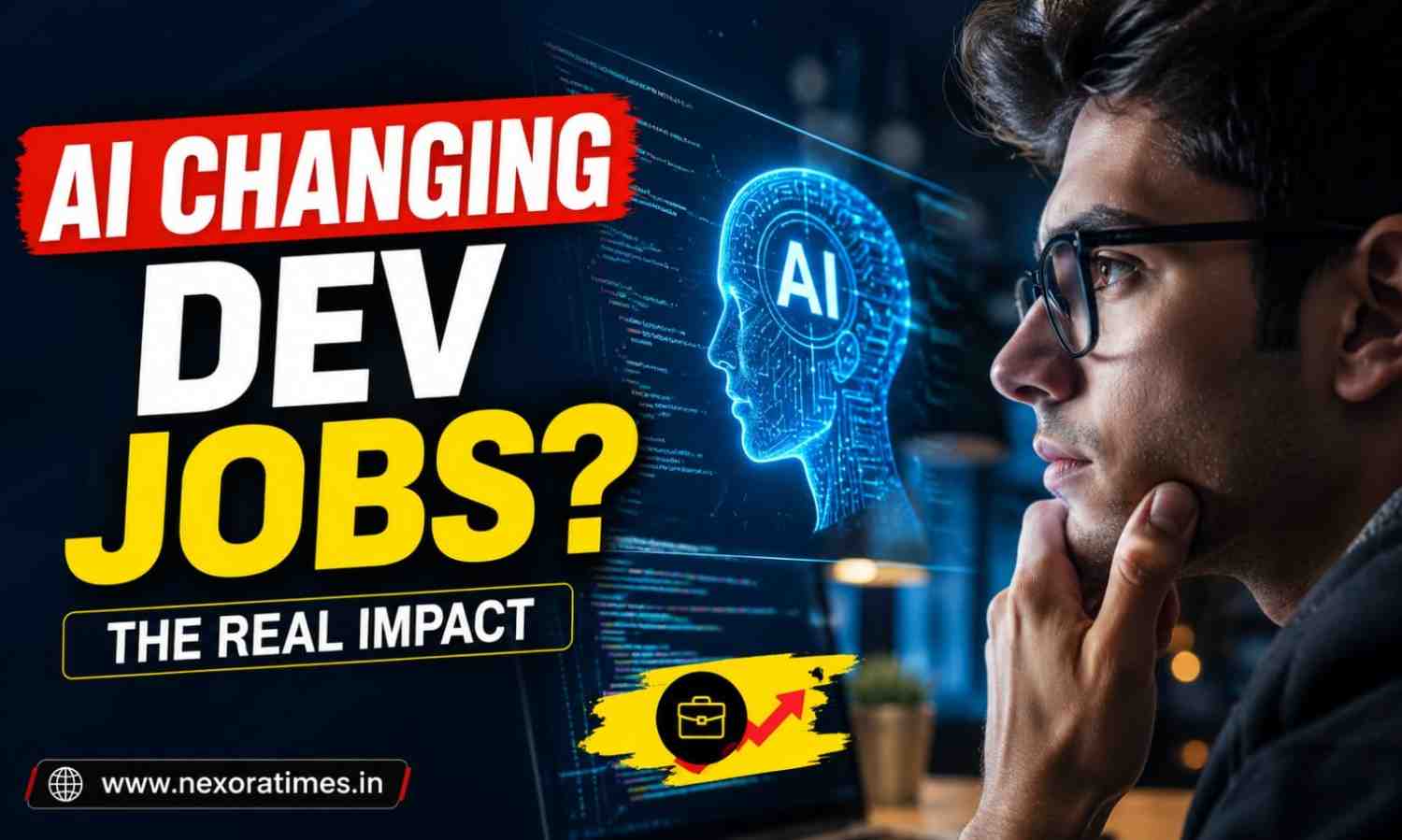
How AI Is Changing Software Engineering Careers in 2026
For years, software engineering was seen as one of the safest career choices in the digital economy. Today, that confidence is being tested.
From AI coding assistants generating production-ready code to companies restructuring teams around automation, developers across the world are asking the same question: Will AI replace software engineers?
Artificial intelligence is not eliminating software engineering careers overnight. Instead, it is fundamentally changing what software engineers do, how teams operate, and which skills companies value most.
AI Is Becoming Every Developer’s Co-Pilot
Just a few years ago, developers spent hours writing boilerplate code, debugging simple errors, and searching documentation. Today, AI tools can handle many of those repetitive tasks within seconds.
Platforms such as GitHub Copilot, ChatGPT, Claude, Cursor, and Amazon Q are becoming everyday productivity tools inside engineering teams.
- Problem-solving
- System design
- Product thinking
- Code review
- Security oversight
- AI prompt engineering
- Cross-functional collaboration
The question is no longer whether developers should use AI. It’s how effectively they can work alongside it.
Why Companies Are Rethinking Software Teams
Over the past year, major technology companies have increased investments in AI while simultaneously demanding more output from leaner teams.
Executives are increasingly measuring engineering success through outcomes rather than lines of code. That shift is changing hiring strategies.
- Deliver products faster
- Use AI tools efficiently
- Understand business goals
- Manage complex architectures
- Validate AI-generated code
The era of writing every line manually is fading. Companies are prioritising engineers who know when to trust AI—and when not to.
The Rise of the AI-Augmented Engineer
A new category of developer is emerging: the AI-augmented engineer. These professionals combine traditional programming skills with the ability to leverage AI systems effectively. Their workflow often looks different from conventional software development.
- Define the problem clearly.
- Generate initial code with AI.
- Validate logic and security.
- Optimise performance.
- Test edge cases.
- Refine the final product.
In many cases, engineers report spending less time coding and more time thinking. That shift could become one of the biggest career transformations of the decade.
Which Software Engineering Jobs Are Most Affected?
Not all engineering roles are changing at the same pace. Entry-level and repetitive coding tasks are seeing the highest levels of automation.
- Basic frontend development
- CRUD application development
- Documentation generation
- Unit test creation
- Code refactoring
- Simple debugging tasks
Roles Expected to Grow
- AI engineers
- Machine learning engineers
- Platform engineers
- DevOps specialists
- Cybersecurity engineers
- Cloud architects
- Data engineers
- Site reliability engineers
- Solutions architects
Roles Facing the Biggest Transition
- Junior software developers
- QA engineers focused only on manual testing
- Support engineers handling repetitive workflows
- Developers working exclusively on low-complexity projects
AI can generate code, but it still struggles to understand business priorities, user behaviour, organisational constraints, and long-term technical strategy.
Why Junior Developers Are Feeling the Pressure
One unexpected consequence of AI adoption is its impact on entry-level hiring. Traditionally, junior engineers learned by handling simpler tasks.
Now, many of those tasks can be automated. This has created concern among students and early-career developers. However, industry experts argue that the demand for junior talent isn’t disappearing—it is evolving.
Companies increasingly expect new engineers to bring skills beyond coding, including:
- Strong communication
- Critical thinking
- Product understanding
- AI tool proficiency
- System design fundamentals
- Collaboration skills
Learning how software solves real-world problems is becoming just as important as learning programming languages.
The Skills That Matter Most in the AI Era
The most valuable engineers of the future may not be the fastest coders. They will be the best problem-solvers. Key skills gaining importance include:
Include the following: Technical Skills
- AI-assisted development workflows
- Cloud computing
- Distributed systems
- Cybersecurity fundamentals
- Data engineering
- API design
- Automation frameworks
Human Skills
- Strategic thinking
- Communication
- Leadership
- Creativity
- Decision-making
- Stakeholder management
Ironically, as AI becomes more capable, human skills become more valuable.
AI Can’t Replace Context, Ownership, and Judgment
AI models can generate code snippets quickly. But software engineering involves much more than code. Engineers make critical decisions about:
- Scalability
- Security
- Privacy
- Compliance
- User experience
- Technical debt
- Business trade-offs
An AI tool may suggest ten solutions. A skilled engineer knows which one aligns with customer needs and long-term goals.
FAQs
- Will AI replace software engineers completely?
No. AI is automating repetitive coding tasks, but software engineering also requires problem-solving, communication, business understanding, and decision-making.
- Which software engineering jobs are safest from AI?
Roles involving system architecture, cybersecurity, cloud infrastructure, AI engineering, and product-focused development are currently less vulnerable to automation.
- Should software engineers learn AI tools?
Yes. Understanding AI-assisted coding platforms is becoming an essential skill for developers across experience levels.
- Is coding still a good career choice in 2026?
Yes. Demand remains strong for engineers who combine programming expertise with AI skills, business knowledge, and problem-solving abilities.
- What skills should developers learn to stay relevant?
Developers should focus on cloud computing, system design, cybersecurity, data engineering, AI workflows, and communication skills.
Conclusion
The conversation around AI and software engineering often swings between fear and hype. Reality sits somewhere in the middle. Artificial intelligence is changing how software gets built, but it is also creating entirely new opportunities for engineers willing to adapt.
The winners of the next decade won’t necessarily be those who write the most code. They will be the people who understand problems deeply, collaborate effectively, and know how to harness AI responsibly.
For more information: Apple Intelligence Is Changing the iPhone Experience: Here’s What It Can Really Do
iPhone 18 Pro Buzz Grows as New Leaks Reveal Major Apple Plans