Table of Contents
Why Natural Gas Prices Are Rising Again Amid Global Supply Fears
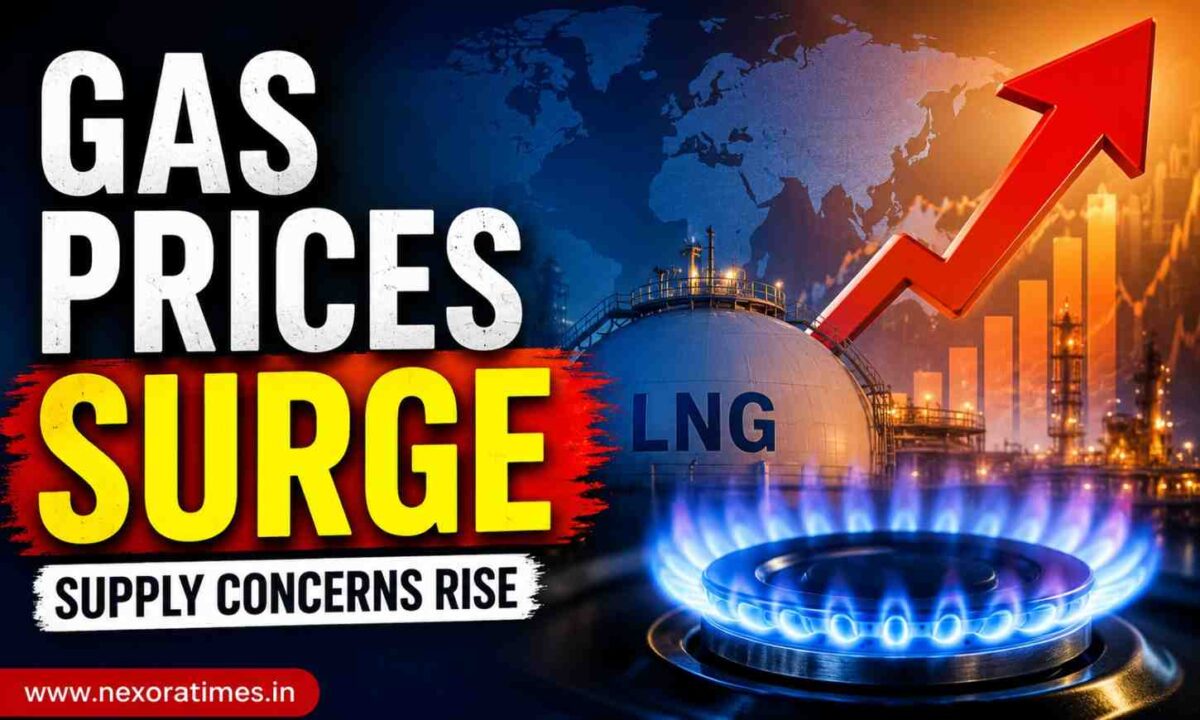
The global energy market is once again under the spotlight as natural gas prices surge sharply following renewed concerns over global supply. While energy prices have remained volatile over the past few years, this latest rally has sparked fresh discussions among traders, industries, policymakers, and consumers alike.
Interestingly, the biggest talking point isn’t just the price jump itself. It’s the combination of geopolitical uncertainty, weather forecasts, production risks, and growing LNG demand that has created a perfect environment for market volatility. That one detail quickly grabbed attention across financial markets, where investors are closely tracking every new development.
Why Are Natural Gas Prices Rising?
Several factors have combined to push natural gas prices higher across international markets.
1. Supply Concerns Return
One of the biggest drivers is uncertainty surrounding global gas production and exports. Any disruption at major production facilities, pipeline networks, or LNG export terminals immediately affects market sentiment.
2. Rising LNG Demand
Countries across Europe and Asia continue to compete for liquefied natural gas (LNG) cargoes, particularly ahead of seasonal demand increases.
- Increased competition for cargo shipments
- Higher spot prices
- Reduced availability in some regional markets
- Greater pressure on exporters
This demand has become one of the strongest long-term support factors for global natural gas prices.
Weather Forecasts Are Adding More Uncertainty
Energy markets closely monitor weather forecasts because temperature changes directly influence gas consumption.
- Higher cooling demand during heatwaves
- Increased electricity generation
- Stronger gas-fired power demand
- Possible inventory drawdowns
If temperatures remain above seasonal averages, demand could stay elevated for weeks. This weather-driven uncertainty has become another reason investors are positioning themselves cautiously.
Global Supply Chain Remains Sensitive
Although supply chains have improved compared to previous years, the natural gas market still reacts quickly to unexpected disruptions.
- LNG shipping delays
- Pipeline maintenance
- Export restrictions
- Infrastructure outages
- Extreme weather events
Each of these factors may seem manageable individually, but together they create significant uncertainty that influences pricing.
Market Reaction: Traders Turn Defensive
The latest price movement reflects more than immediate supply worries.
Many institutional investors and commodity traders are increasing their focus on defensive positioning, anticipating further volatility if global supply conditions worsen.
This cautious approach often amplifies short-term price movements as market participants react to incoming headlines.
Several analysts note that current market behaviour reflects expectations rather than confirmed shortages, highlighting how sentiment itself can influence commodity pricing.
Impact on Consumers and Industries
Higher natural gas prices rarely remain limited to energy exchanges. They eventually influence multiple sectors, including:
Household Energy Bills
In regions where gas remains a major heating or electricity source, sustained price increases could eventually affect consumer utility costs.
Manufacturing
- Fertilizer production
- Steel manufacturing
- Glass production
- Chemicals
- Cement
Depend heavily on natural gas as both fuel and raw material. Higher energy costs can gradually increase production expenses.
Electricity Markets
Many power plants rely on natural gas generation. If gas prices continue climbing, electricity production costs could also rise depending on regional energy mixes.
Energy Security Is Becoming the Bigger Story
Beyond daily price fluctuations, a broader trend is emerging. Governments worldwide continue investing in energy diversification, strategic storage, renewable integration, and LNG infrastructure.
The latest rally reinforces one important lesson: reliable energy supply remains just as valuable as affordable energy. That shift in thinking is influencing investment decisions across both public and private sectors.
FAQs
- Why did natural gas prices surge?
Natural gas prices increased primarily because of renewed concerns over global supply, stronger LNG demand, weather-related consumption expectations, and ongoing market uncertainty.
- Does a higher natural gas price affect electricity bills?
Yes. In regions where electricity generation depends heavily on natural gas, prolonged price increases may eventually influence consumer electricity costs.
- What factors influence natural gas prices the most?
Supply disruptions, LNG demand, weather conditions, storage inventories, production levels, and geopolitical developments are among the biggest price drivers.
- Will natural gas prices continue rising?
Future prices will depend on supply stability, seasonal demand, weather forecasts, and global energy market developments. Continued volatility remains possible.
Conclusion
The latest natural gas price surge highlights how quickly global energy markets respond to supply concerns and changing demand expectations. While today’s rally reflects uncertainty more than confirmed shortages, it also underscores the growing importance of energy security in an unpredictable world.
As fresh economic data, weather patterns, and geopolitical developments emerge, the natural gas market is likely to remain one of the most closely watched sectors. Do you think this rally is temporary, or could it signal another long-term shift in global energy prices? Share your opinion.
Follow Us: Facebook
For more information: Stock Market Holidays 2026 India: Complete NSE & BSE Trading Holiday List
Top Financial Sector Stocks for 2026 After RBI Rate Cuts: Banks and NBFCs in Focus