Table of Contents
Anjana Om Kashyap Row Takes a New Turn as Students Rally Behind YouTube Educators
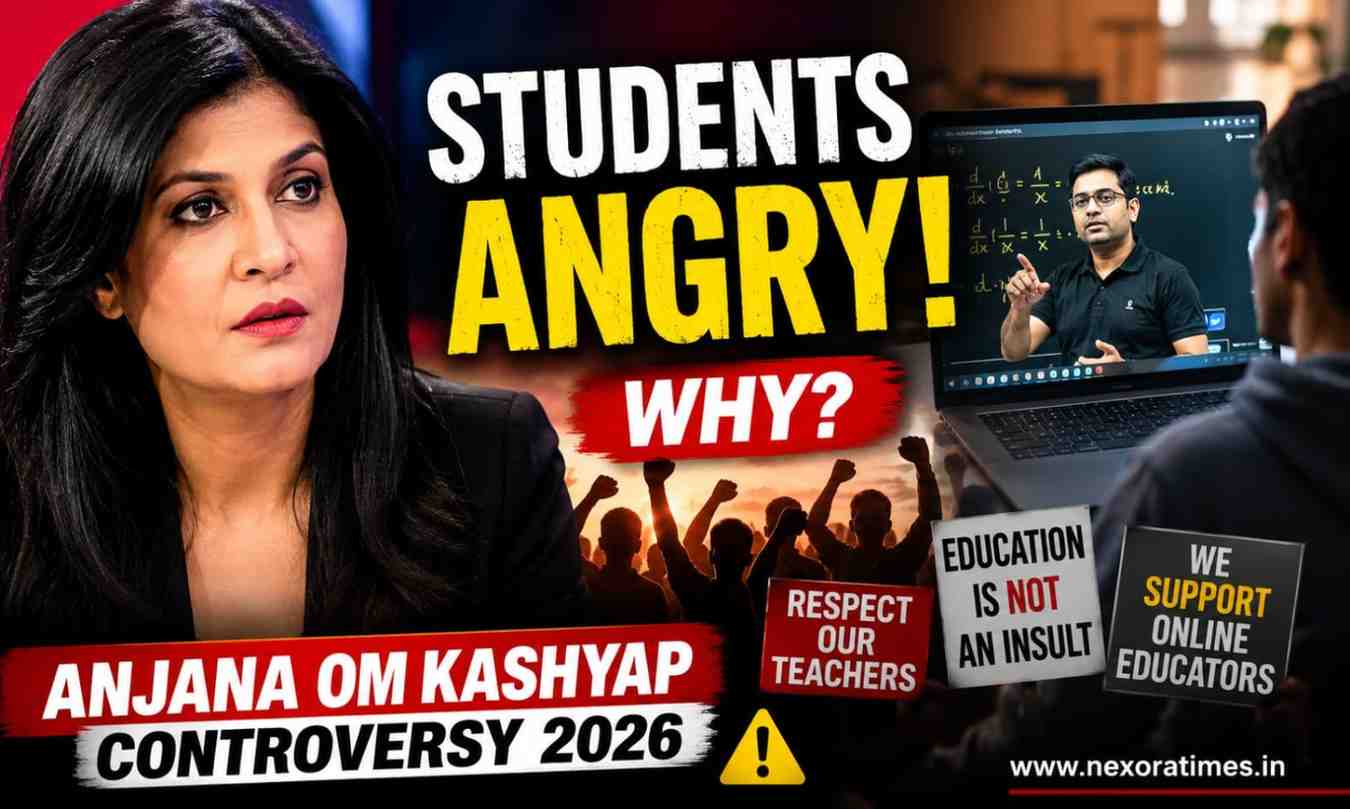
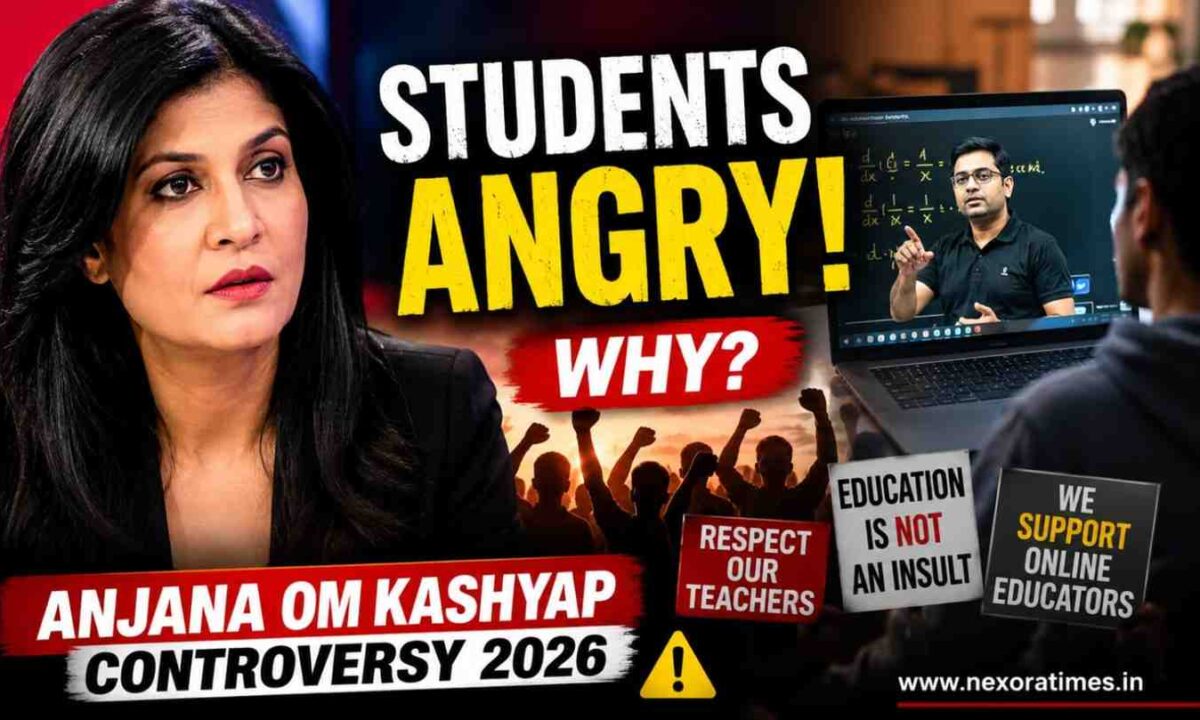
The Anjana Om Kashyap controversy of 2026 has rapidly become one of the most discussed media stories of the year, drawing reactions from students, educators, content creators, and news audiences across India.
What makes this controversy different is that it is no longer just about a television anchor or a viral clip. It has evolved into a larger conversation about education, digital influence, student aspirations, and the changing balance of power between traditional media and online creators. And that is exactly why millions of people are paying attention.
Who Is Anjana Om Kashyap?
For readers who may not closely follow television news, Anjana Om Kashyap is one of India’s most recognised journalists and television anchors.
- Prime-time news debates
- Political coverage
- Election reporting
- High-profile interviews
- Long-standing association with Aaj Tak
Over the years, she has built a strong public profile and remains one of the most visible faces in Indian television journalism. That visibility is also why any controversy involving her quickly attracts national attention.
What Triggered the Anjana Om Kashyap Controversy?
The controversy emerged after remarks made during a television discussion involving YouTube educators and online teaching culture. Shortly after the debate aired, clips began circulating widely across social media platforms.
Many students and digital audiences interpreted certain comments as dismissive toward online educators who have become an important part of India’s modern learning ecosystem.
Within hours, the conversation moved beyond television and entered the social media mainstream. What started as a debate segment soon transformed into a nationwide online discussion.
How the Controversy Escalated
Stage 1: Television Debate Airs
The discussion initially took place during a television programme where online education became a major talking point.
Stage 2: Viral Clips Begin Circulating
Short clips were shared rapidly across X, Instagram, YouTube, and Reddit.
Stage 3: Students Join the Conversation
Competitive exam aspirants started posting reactions, sharing personal experiences, and defending online educators.
Stage 4: Content Creators Respond
Several education-focused creators and influencers weighed in on the debate.
Stage 5: Hashtags Started Trending
The issue gained momentum through social media discussions, reaction videos, and opinion posts.
Stage 6: National Debate Emerges
The conversation expanded into broader questions about media credibility, education access, and digital influence.
Why Students Reacted So Strongly
This controversy struck a nerve because millions of students depend on online learning resources every day.
UPSC, SSC, banking exams, Railway exams, NEET, JEE, etc.
YouTube is not just entertainment. It is often their classroom. Many students come from smaller towns and financially constrained backgrounds where free educational content has become a valuable learning resource.
As a result, criticism perceived to be directed at online educators was viewed by some students as criticism of a system that has helped them pursue their dreams.
The Hidden Reason This Debate Went Viral
This is the detail many people are missing. The controversy was never only about a comment. It was about trust. For years, students have spent thousands of hours learning from online teachers. Many aspirants know these educators better than television personalities. They attend live classes, watch motivational sessions, and interact with these teachers daily. That creates a unique bond.
When viewers felt those educators were being criticized, many responded emotionally because they saw those teachers as mentors rather than content creatorsThat trust factor explains why the issue spread so quickly.
Why This Story Feels Bigger Than a Typical Media Controversy
Most television controversies disappear within a day or two. This one continued because it combines three highly emotional topics:
Education
Every family is connected to education in some way.
Student Aspirations
Millions of young Indians see education as a pathway to a better future.
Media Trust
Questions about credibility and influence naturally generate strong reactions. When these three themes intersect, engagement tends to multiply.
Is This Also About India’s Changing Learning Culture?
Perhaps the biggest takeaway is how much India’s education landscape has evolved. A decade ago, coaching institutes dominated learning. Today, students increasingly rely on the following:
- YouTube lectures
- Online courses
- Live classes
- AI learning tools
- Digital communities
The rise of digital education has created a new generation of influential teachers who reach millions of students directly. This transformation is reshaping how young Indians learn, prepare, and succeed.
FAQs
- What is the Anjana Om Kashyap controversy of 2026?
The controversy began after remarks made during a television discussion about online educators, leading to widespread reactions from students and social media users.
- Why are students upset?
Many students felt the comments were unfair toward educators who have helped them through accessible online learning platforms.
- Why did the issue become viral?
The controversy combined education, student aspirations, and media influence—three topics that generate strong public engagement.
- Are YouTube educators becoming more influential?
Yes. Many online educators now reach millions of students and have become major voices in India’s education ecosystem.
- Why is this story important?
The debate highlights changing learning habits, growing digital influence, and evolving relationships between traditional media and younger audiences.
Conclusion
The Anjana Om Kashyap controversy of 2026 has become much more than a viral news story. At its core, it reflects a changing India where students increasingly learn online, trust digital educators, and actively participate in public conversations.
The controversy may eventually cool down, but the questions it has raised about education, influence, and trust are likely to remain relevant long after the headlines fade.
About more information: Cockroach Janta Party Explained: Why This Weird Viral Trend Is Breaking the Internet in 2026