Table of Contents
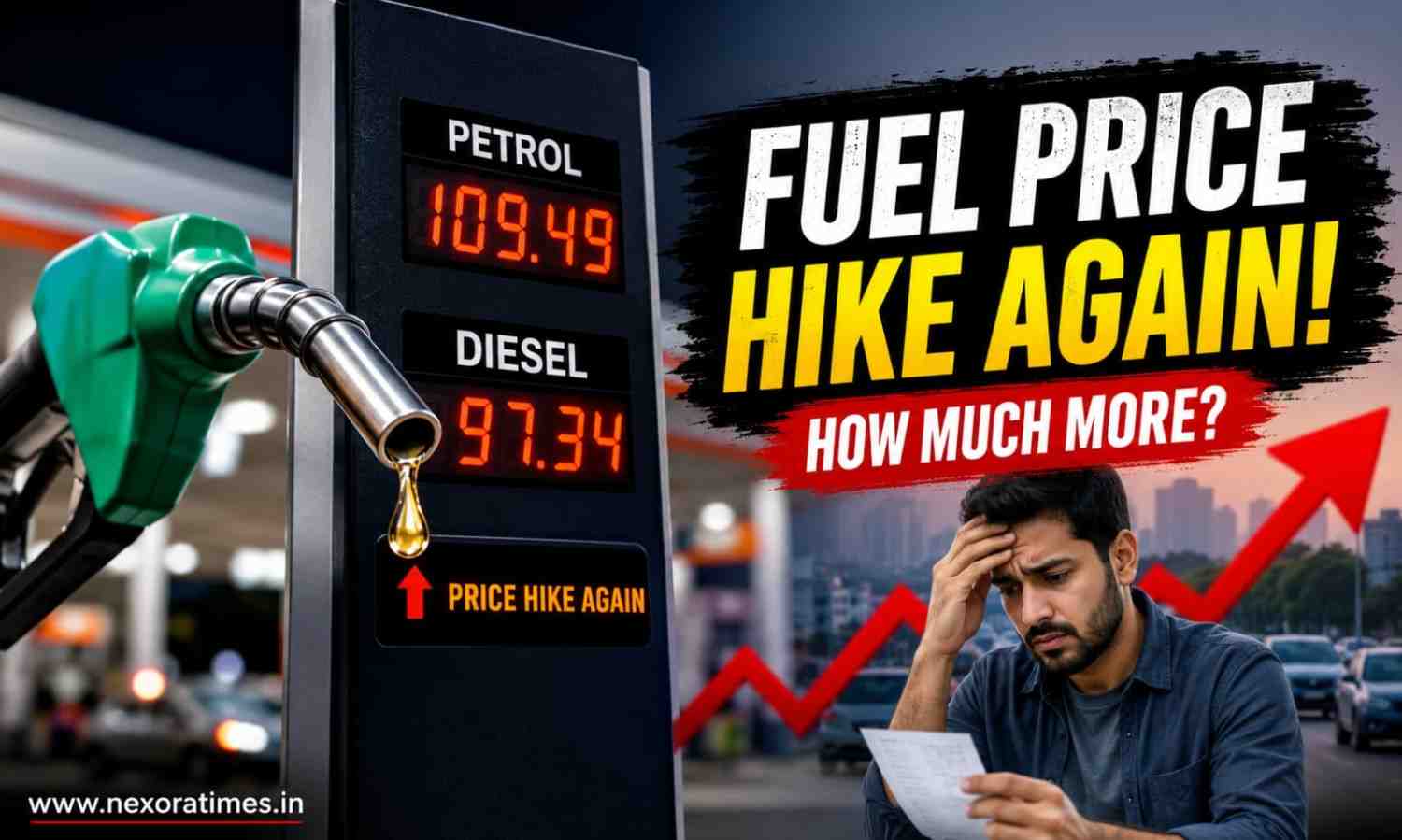
Fuel Price Hike 2026: How Much Extra Will You Pay Every Month After Petrol-Diesel Rates Rise Again
Another fuel price hike may sound like a routine headline. But for millions of Indians, it often translates into something much more personal – a higher monthly bill, a tighter household budget, and difficult spending choices.
Petrol and diesel rates have once again moved higher, bringing fuel costs back into the national conversation. While the increase may appear small at first glance, many consumers are asking the same question: How much more will I actually spend every month?
That question has quickly become one of the most discussed topics online. And the answer depends on far more than what appears on the fuel pump display.
Why This Fuel Price Hike Is Getting Attention
Fuel prices affect almost everyone, whether they own a vehicle or not. From office commuters and delivery workers to small businesses and families managing monthly expenses, transportation costs influence daily life in ways that are often overlooked.
What makes the latest fuel price hike particularly important is the timing. Consumers are already dealing with rising expenses in multiple categories, making any increase in petrol or diesel prices feel more noticeable than before.
How Much Extra Could You Spend Every Month?
The actual impact varies based on driving habits, vehicle type, and distance travelled. Here are some illustrative examples:
Daily Commuter
- Travel: 25–30 km per day
- Monthly fuel consumption: Moderate
Even a small increase in fuel prices can add hundreds of rupees to monthly transportation expenses over time.
Frequent Driver
- Travel: 50–70 km per day
- Regular city and highway use
For many drivers, the annual impact can become significant when calculated across 12 months.
Business Users
People working in transportation, delivery services, logistics, and ride-sharing often feel fuel hikes more directly because fuel represents a major operating cost.
The Hidden Cost Most People Notice Later
The real effect of fuel price hikes often extends beyond personal vehicles. Higher fuel costs can influence:
- Delivery charges
- Transportation expenses
- Logistics costs
- Agricultural supply chains
- Consumer product pricing
This is why economists frequently view fuel prices as a broader economic indicator rather than just a transportation issue.
Why Are Petrol and Diesel Prices Rising?
Several factors influence fuel pricing.
Global Crude Oil Trends
International crude oil prices remain one of the biggest drivers of domestic fuel costs.
Supply Concerns
Any disruption in global supply chains can create upward pressure on energy markets.
Currency Movement
Changes in exchange rates can affect the cost of importing crude oil.
Market Demand
As economies grow and transportation activity increases, fuel demand often rises as well. Together, these factors create a pricing environment that consumers ultimately feel at fuel stations.
Could Fuel Prices Increase Again in 2026?
This remains one of the biggest uncertainties. Energy analysts continue monitoring:
- International oil markets
- Geopolitical developments
- Supply disruptions
- Global economic growth
- Domestic demand patterns
While no one can predict future prices with certainty, these factors will play a major role in determining the direction of fuel costs throughout 2026
Practical Ways to Reduce Fuel Expenses
While consumers cannot control fuel prices, they can reduce fuel consumption.
Smart Fuel-Saving Habits
- Maintain proper tyre pressure
- Avoid sudden acceleration
- Follow regular vehicle servicing
- Plan routes efficiently
- Reduce unnecessary idling
- Use public transport when possible
Over time, these small changes can make a meaningful difference.
The Bigger Story Behind the Fuel Price Hike
The latest increase is not simply about paying more for petrol or diesel. It reflects larger economic forces shaping transportation, consumer spending, and mobility choices across the country. For some people, the impact may be manageable. For others, especially frequent commuters and small businesses, even a modest rise can gradually reshape monthly budgets.
FAQs
- Why have petrol and diesel prices increased again in 2026?
Fuel prices are influenced by crude oil costs, global supply conditions, currency movements, and market demand.
- How does a fuel price hike affect ordinary consumers?
Higher fuel prices can increase transportation expenses, delivery costs, and monthly household budgets.
- Can fuel prices rise further in 2026?
Future prices depend on global oil markets, geopolitical developments, and domestic economic conditions.
- Are electric vehicles becoming more attractive because of fuel price hikes?
Many consumers are exploring EVs as a potential long-term solution to rising fuel costs.
Conclusion
Fuel prices may rise and fall throughout the year, but one thing remains constant: their impact reaches far beyond the fuel station. The latest fuel price hike has once again sparked discussions about affordability, transportation choices, and the future of mobility in India.
Follow Us: Facebook
For more information: Petrol Diesel Hike in India Today 2026: Breaking Fuel Price Update, Latest Rates & Big Impact Explained